How we chose
We assessed current exact Australian 65-inch models, local availability and pricing, panel technology, contrast, brightness, reflections, viewing angles, motion, HDR formats, gaming support, smart platforms, sound, warranty, owner evidence and credible professional testing. The winner is the television whose compromises suit the widest group of 65-inch buyers—not simply the model with the highest score.
Worth Buying scores are editorial judgements and stay separate from customer reviews. Worth Buying Australia did not conduct the laboratory testing or measurements cited below. Professional findings remain attributed, and related-family evidence is clearly distinguished from exact-model Australian evidence.
Why these three won
LG C6 is the safest all-round choice, TCL C8L offers premium-class Mini-LED hardware at a much lower price, and Samsung S95H is the flagship option for buyers willing to pay for stronger brightness and glare handling. Together they make the key 65-inch decision clear: balanced OLED, bright high-value Mini-LED or premium flagship OLED.
Other TVs we considered
LG G6 and B6, Samsung S90H, current Sony BRAVIA models, TCL C7L, Hisense UR8SAU and UR9SAU, current Samsung Micro RGB models and discounted 2025 flagships remain credible alternatives. None displaced this trio's clearer spread of buyer priorities. Discounted older stock can still be excellent value, but it did not replace a current 2026 winner solely because of a temporary clearance price.
LG OLED evo AI C6 65-inch OLED65C6PSA
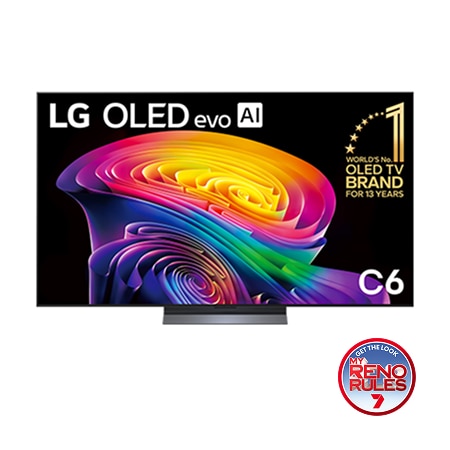
The exact Australian OLED65C6PSA is a 65-inch 3840 × 2160 OLED with a 120Hz native refresh rate and VRR up to 165Hz. LG pairs it with the Alpha 11 AI Processor 4K Gen3, Dolby Vision, HDR10, HLG, NVIDIA G-SYNC compatibility, AMD FreeSync compatibility, Dolby Atmos, 40W 2.2-channel sound, webOS, Google Cast, Apple AirPlay and four gaming-oriented HDMI connections.
RTINGS independently tested the 2026 C6 architecture used at 65 inches and found effectively perfect OLED blacks, excellent dark-room contrast, extremely fast pixel response, very low gaming latency and broad viewing angles. It also identified direct-reflection handling that is not class-leading, visible low-frame-rate stutter and brightness below the strongest high-output displays. These are RTINGS findings, not Worth Buying measurements.
The 65-inch size matters. The 42, 48, 55 and 65-inch C6 models use the conventional C6 architecture, while the larger 77 and 83-inch C6H models use a more advanced panel architecture. We do not transfer C6H brightness or panel claims to OLED65C6PSA.
OLED image retention remains a non-zero long-term risk under extreme repeated static use, but it should not be presented as inevitable. For normal mixed viewing, leave panel-care features enabled and follow LG's instructions. Buyers with direct windows, maximum-brightness priorities or signage-like use may prefer Mini-LED.
Key details
| Exact model | OLED65C6PSA · 65-inch 4K OLED |
|---|---|
| Refresh / VRR | 120Hz native / up to 165Hz VRR |
| HDR | Dolby Vision, HDR10, HLG; no HDR10+ |
| Audio | 40W, 2.2-channel, Dolby Atmos |
| Dimensions / weight | About 1441 × 826 × 45.1mm and 16.6kg without stand |
| Price snapshot | About $3,995 at The Good Guys |
Owner and professional evidence
Pros
- Perfect OLED blacks and excellent viewing angles
- Strong cinematic image and Dolby Vision
- Excellent console and PC gaming features
- Up to 165Hz VRR
- Mature webOS ecosystem and excellent all-round balance
Cons
- Not the brightest choice
- Direct reflections can be distracting
- Low-frame-rate stutter can be visible
- No HDR10+
- 65-inch model does not receive the larger C6H panel technology
TCL C8L 65-inch Premium SQD-Mini LED 65C8L
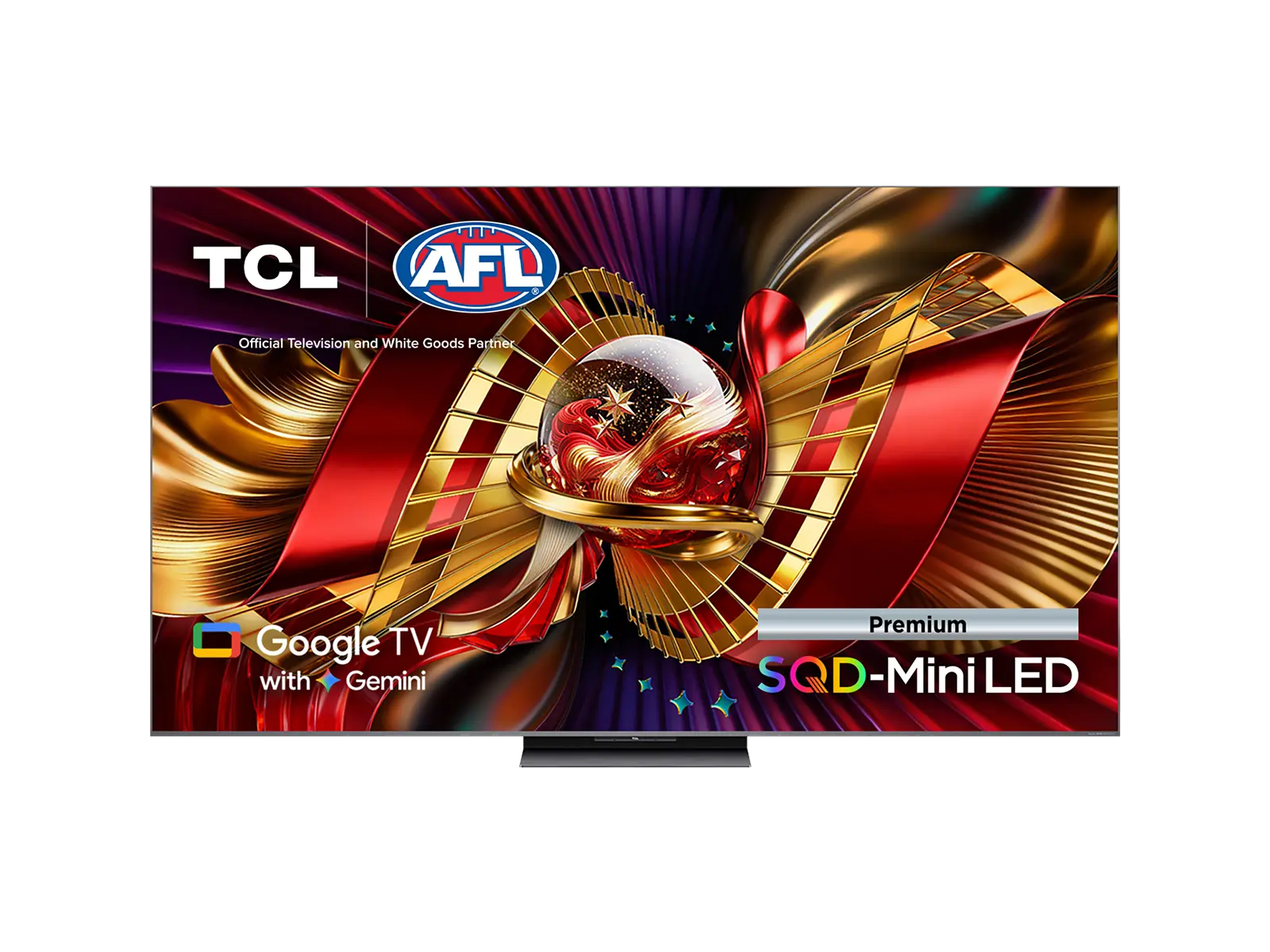
TCL Australia specifies the exact 65C8L with SQD-Mini LED, a WHVA 2.0 panel, 2,040 precise-dimming zones, Super QLED colour, 144Hz refresh, TSR AiPQ processing, Google TV, Gemini integration and Bang & Olufsen-tuned audio. TCL's up-to-5,000-nit HDR figure is a manufacturer claim under defined conditions—not an independent Worth Buying measurement or a promise of sustained full-screen output.
The closest substantial international professional evidence is for TCL's related 2026 North-American QM8L. That testing provides useful platform context around very high brightness, excellent local dimming, deep LCD blacks, vivid colour, low input lag and four HDMI 2.1 connections. It also found mediocre direct-reflection handling, off-axis image degradation, HDR accuracy weaknesses and slower motion response than OLED. RTINGS did not test the exact Australian 65C8L, so those results are not transferred as exact-model measurements.
At about $2,295 during the release check, the value gap to both OLED picks is substantial. That price was promotional rather than guaranteed normal pricing; TCL's Australian RRP was $2,999 and The Good Guys displayed a 30 September 2026 promotion end date. Even at higher pricing, the award remains tied to the hardware/value proposition rather than one day's discount.
The trade-off is that Mini-LED cannot reproduce pixel-level OLED control in every scene. Very dark scenes can expose blooming, side seating is less consistent, motion is not OLED-fast and a very bright panel can still reflect windows or room lights.
Key details
| Exact model | 65C8L · 65-inch SQD-Mini LED |
|---|---|
| Dimming / brightness | 2,040 zones · up to 5,000 nits claimed by TCL |
| Refresh / HDR | 144Hz · Dolby Vision IQ and HDR10+ |
| Platform / audio | Google TV · Bang & Olufsen-tuned audio |
| Dimensions / weight | About 1434 × 860 × 368mm and 23.1kg with stand |
| Price / warranty | About $2,295 promotional · RRP $2,999 · 3-year manufacturer warranty at major AU retail |
Owner and professional evidence
Pros
- Exceptional brightness potential
- Strong Mini-LED local dimming
- Excellent value at the release-check price
- 144Hz, Dolby Vision IQ and HDR10+
- Google TV, strong gaming connectivity and 3-year warranty
Cons
- Small exact-model Australian owner pool
- Weaker viewing angles than OLED
- Direct reflections can remain visible
- Motion response is not OLED-fast
- Standout price is promotional
Samsung OLED S95H 65-inch QA65S95HAWXXY
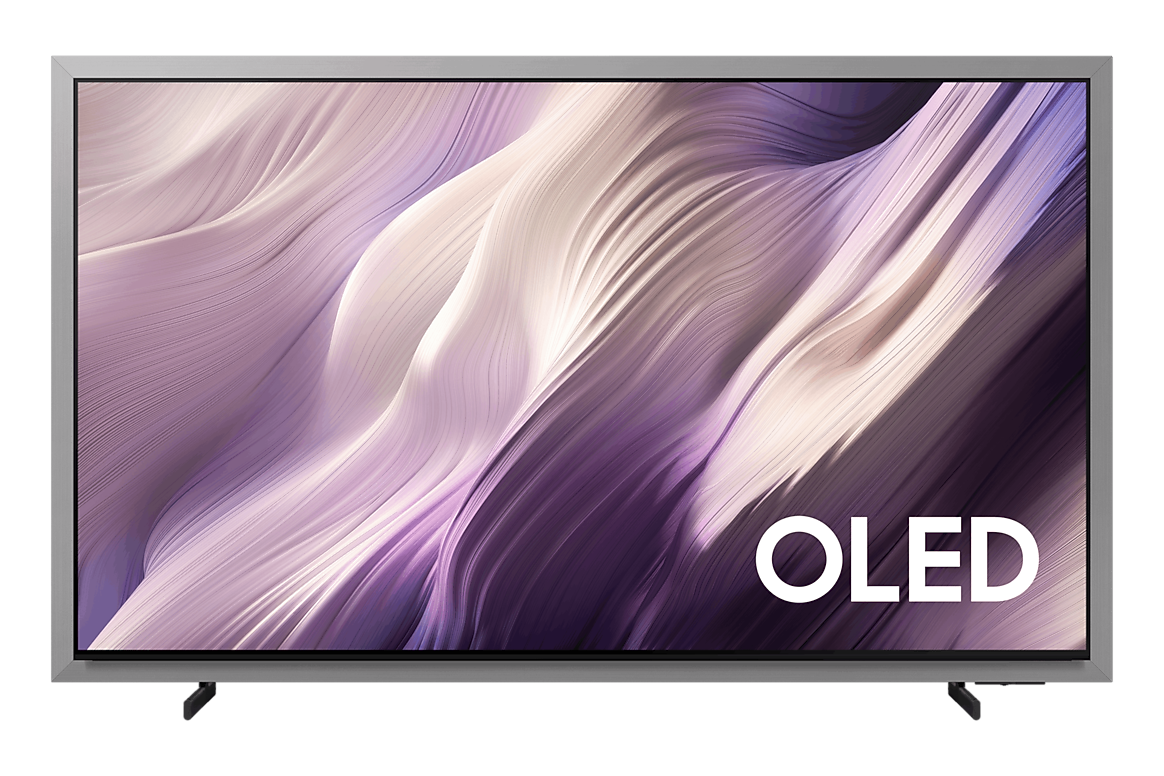
The exact Australian QA65S95HAWXXY combines a 65-inch 3840 × 2160 OLED panel, NQ4 AI Gen3 Processor, Motion Xcelerator up to 165Hz, HDR10+ Adaptive and Gaming, AMD FreeSync Premium Pro, NVIDIA G-SYNC compatibility listed by current Australian retail, four HDMI connections, Tizen, Dolby Atmos, 70W 4.2.2-channel audio, Wi-Fi 6E, Bluetooth 5.3, Apple AirPlay 2 and SmartThings.
Samsung does not advertise Dolby Vision on this model. Its HDR strategy centres on HDR10+, and buyers with a firm Dolby Vision preference should choose LG C6 instead. The matte anti-glare treatment is highly effective in bright rooms but changes the screen's character; some dark-room buyers will prefer a more conventional glossy OLED presentation.
RTINGS independently tested the 2026 S95H family using a 77-inch North-American unit. It found exceptional overall picture quality, superb blacks, excellent bright-room performance, high OLED brightness, excellent colour, four HDMI 2.1 inputs, up-to-4K-165Hz gaming and strong anti-glare performance. This is high-quality family-level evidence, not an exact test of QA65S95HAWXXY, and its measured brightness figures are not transplanted onto the Australian 65-inch model.
The price is the decisive limitation. About $5,295 is roughly $1,300 over LG C6 and $3,000 over TCL's promotional price. S95H earns the highest editorial score for its capability, while LG earns Best Overall because most buyers do not need to pay for the final increment of flagship performance.
Key details
| Exact model | QA65S95HAWXXY · 65-inch 4K OLED |
|---|---|
| Processing / refresh | NQ4 AI Gen3 · Motion Xcelerator up to 165Hz |
| HDR | HDR10+ Adaptive / Gaming; no Dolby Vision |
| Gaming | FreeSync Premium Pro, G-SYNC compatibility, four HDMI |
| Audio / platform | 70W 4.2.2-channel Dolby Atmos · Tizen |
| Price snapshot | About $5,295 at JB Hi-Fi / The Good Guys |
Owner and professional evidence
Pros
- Flagship-level OLED picture and superb blacks
- Excellent bright-room usability and glare control
- Vivid colour and up-to-165Hz gaming
- Strong HDMI 2.1 connectivity
- Excellent built-in audio by TV standards and premium design
Cons
- About $5,295 at the release check
- No Dolby Vision
- Matte screen treatment is subjective
- Major price premium over C6
- Locally attributable exact-model review evidence requires caution
What matters when buying a 65-inch TV
65 inches is its own decision
Panel technology, dimming zones, brightness and chassis details can change across sizes within one named range. Do not assume the 55, 65, 77 and 83-inch versions perform identically. LG's larger C6H models are the clearest example in this shortlist.
OLED versus Mini-LED
OLED provides pixel-level blacks, no local-dimming blooming, wide viewing angles and extremely fast response. Mini-LED can provide much greater brightness, less concern about long-term static-image wear and excellent value. Neither is universally superior.
Bright room versus dark room
OLED black control is outstanding in controlled lighting. High-output Mini-LED can be more practical in extremely bright spaces. Raw brightness and reflection handling are different: even a very bright TV can visibly reflect windows or lamps.
HDR format support
LG supports Dolby Vision, HDR10 and HLG but not HDR10+. TCL supports Dolby Vision-family HDR and HDR10+. Samsung supports HDR10+ but not Dolby Vision. Source compatibility matters, but no single format badge determines overall picture quality.
Gaming beyond the headline
All three are serious gaming TVs with HDMI 2.1-class features, VRR and 120Hz-or-higher capability. Maximum 165Hz matters mainly to compatible PCs; PS5 and Xbox buyers should not assume they need more than 4K120.
Viewing angles
OLED remains the safer choice for wide seating arrangements. TCL's WHVA 2.0 architecture aims to broaden angles relative to conventional VA LCDs, but OLED-equivalent off-axis consistency is not established.
Built-in sound
Samsung has the strongest integrated specification here, but sound did not drive the ranking. A serious home-theatre buyer may gain more from a separate soundbar or an AVR and speaker system.
OLED static-image care
Burn-in is possible but not inevitable. Normal mixed use is very different from signage, permanent dashboards or thousands of hours of the same fixed UI. Keep panel-care features enabled and follow the manufacturer's guidance.
Which 65-inch TV should you buy?
Choose the LG C6 OLED65C6PSA if you want the safest all-round recommendation: OLED picture quality, Dolby Vision, strong gaming and premium performance without paying flagship S95H pricing.
Choose the TCL C8L 65C8L if you want enormous brightness and excellent Mini-LED capability for substantially less money, particularly in a bright lounge.
Choose the Samsung S95H QA65S95HAWXXY if you want flagship OLED performance and glare handling and are comfortable paying heavily for the improvement.
Frequently asked questions
Is OLED or Mini-LED better at 65 inches?
OLED is stronger for pixel-level blacks, wide viewing angles and near-instant response. Mini-LED can deliver much higher brightness, excellent HDR impact and less concern about extreme static-image use. The room, seating and content decide which advantage matters more.
How far should you sit from a 65-inch 4K TV?
A practical starting range is roughly 2 to 2.7 metres, then adjust for eyesight, room layout and how immersive you want films or games to feel. Good 4K material supports closer seating than low-resolution broadcast content.
Is OLED burn-in still a concern in 2026?
The risk is not zero, but it should not be described as inevitable. Modern protection systems suit normal mixed viewing well. Repeated fixed dashboards, news tickers, game HUDs or signage-like use for very long cumulative periods creates more risk.
Do you need 144Hz or 165Hz for PS5 or Xbox Series X?
No. For current consoles, 4K120, VRR and low latency are the relevant priorities. Refresh rates above 120Hz mainly benefit a compatible gaming PC capable of outputting those frame rates.
Is a discounted 2025 TV better value than a 2026 model?
Sometimes. A genuine clearance price on a strong previous-generation model can be excellent value, but confirm exact stock, warranty, inputs and size-specific panel details. A temporary discount alone does not make an older model a better long-term recommendation.
Do all screen sizes in the same TV range use the same panel?
No. Panel type, brightness system, dimming-zone count, stand, audio and other hardware can vary by size. Check the exact Australian model number rather than assuming a family review applies unchanged to every screen size.